
Questions
Real Estate: What Are the Three C's of Design?
The three C's of design in real estate are contrast, color, and composition. These principles guide how a property looks, feels, and photographs, helping buyers visualize themselves in the space and increasing its appeal and marketability.
How 3D Visualization Supports Real Estate Design
3D rendering and architectural visualization have transformed how real estate is marketed and sold. Instead of relying on static blueprints or empty rooms, agents and builders can show photorealistic images of a property before it exists. This technology combines technology, artistry, and storytelling to help buyers envision themselves in the space—a critical step in making a connection with a home.
For luxury properties in Danville, Alamo, and Blackhawk, 3D rendering allows potential buyers to see the finished product, complete with furniture, lighting, and decor. It also helps in staging decisions: you can test different furniture arrangements, accent colors, and floor plan designs without moving a single piece. This saves time and money while ensuring the final look aligns with the three C's of design.
Beyond still images, 3D walkthroughs and virtual tours give buyers a sense of scale and flow. They can explore a home at their own pace, which is especially valuable for out-of-town buyers or those comparing multiple properties. For sellers, this means a wider audience and a stronger first impression. If you're preparing to list your home, consider whether budget-friendly staging or a full 3D presentation fits your strategy.
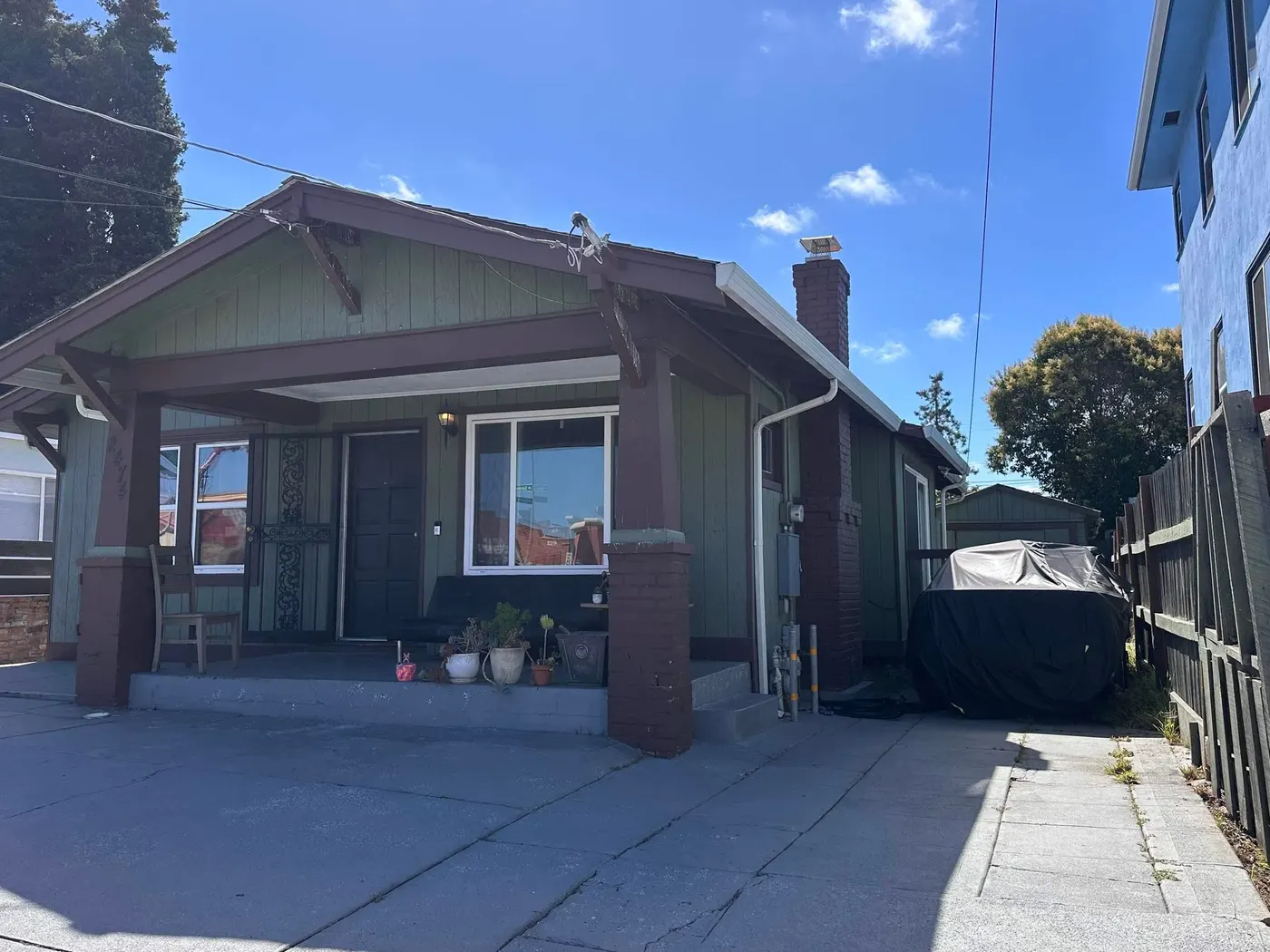
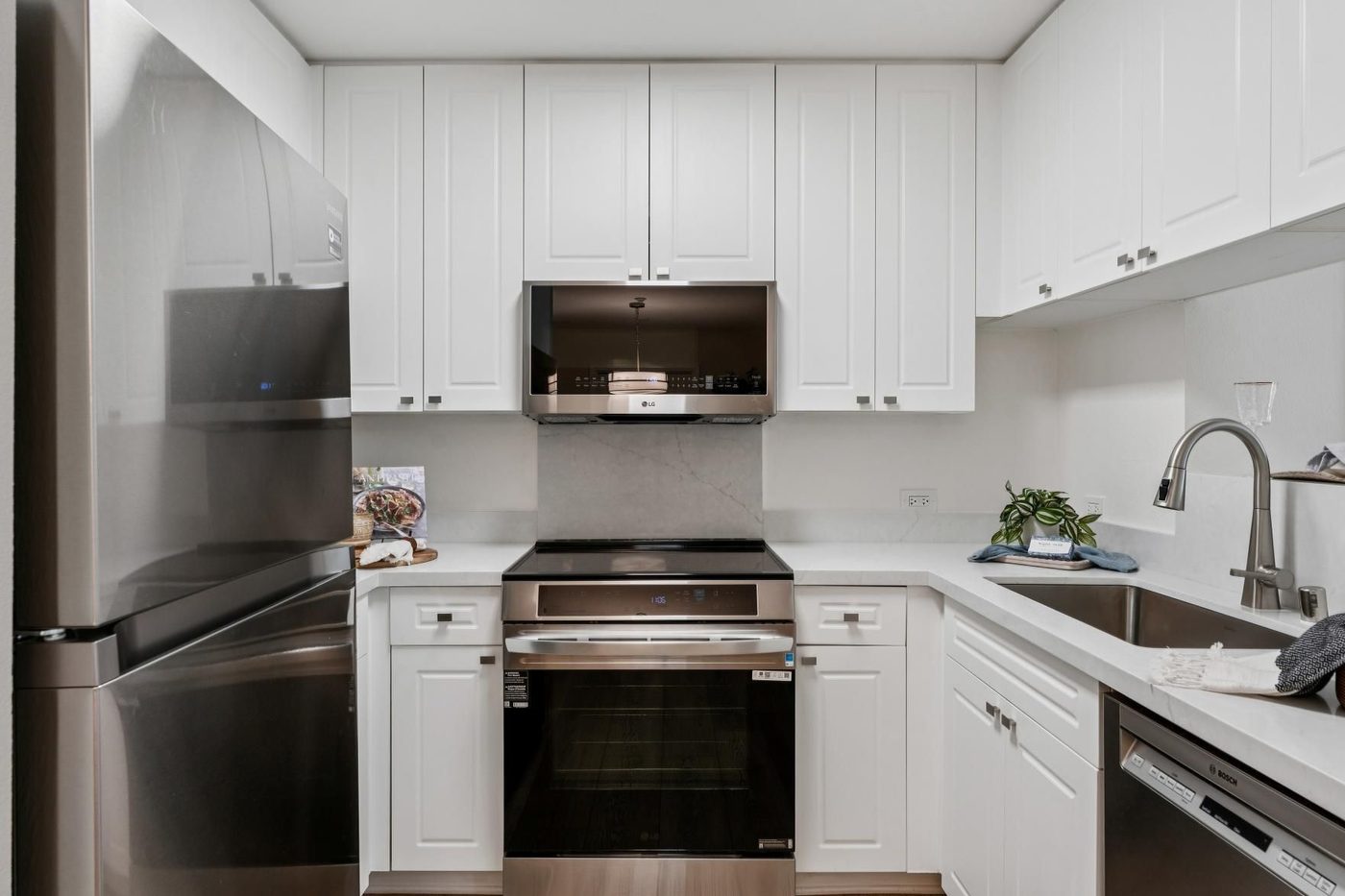




The Three C's of Design Explained for Real Estate
The three C's of design in real estate are contrast, color, and composition. These principles guide how a space looks, feels, and photographs—critical factors when selling a home.
Contrast refers to the difference between elements—light vs. dark, rough vs. smooth, large vs. small. In real estate, global contrast (the overall difference between a room and its surroundings) and local contrast (differences within a specific area) help draw the eye to key features like a fireplace or a view. Too little contrast makes a room feel flat; too much can feel chaotic.
Color sets the mood and affects perceived space. Neutral palettes with accent colors are a safe choice for staging because they appeal to a broad range of buyers. Warm tones can make a room feel cozy, while cool tones can make it feel larger and more serene.
Composition is how elements are arranged—furniture placement, artwork, decor, and even the flow of traffic. Good composition creates balance and guides the eye naturally through the room. The Rule of Three—grouping items in odd numbers—is a simple way to create visual interest without clutter.
These three C's work together. A well-designed room uses contrast to highlight, color to unify, and composition to organize. When you're evaluating a property, whether as a buyer or a seller, keep these in mind. For a deeper dive into how staging affects sale price, see whether staged homes sell quicker.
Using the Three C's to Stage and Sell Your Home
- Assess contrast — Walk through each room and note where the eye lands. Use global contrast to make the room feel distinct from the hallway, and local contrast to highlight a focal point like a fireplace or a large window.
- Choose a cohesive color palette — Stick to neutrals for walls and large furniture, then add accent colors through pillows, art, or a single statement piece. This makes rooms feel larger and more inviting.
- Arrange for composition — Follow the Rule of Three when grouping decor. Place furniture to create conversation areas and clear pathways. Avoid pushing everything against the walls.
- Use 3D visualization if needed — If you're unsure how a room will look, create a 3D rendering to test different layouts and colors before committing. This is especially useful for vacant homes.
- Photograph with the three C's in mind — Good photography captures contrast, color, and composition. Ensure rooms are well-lit, decluttered, and styled to look their best.
These steps apply whether you're staging a condo in Walnut Creek or a family home in San Ramon. For more budget-friendly ideas, check out affordable decor sources in Danville.
Apply the Three C's to Make Your Listing Stand Out
To make your listing stand out in a competitive market like Danville, use the three C's as a checklist:
- Enhance contrast — Paint walls in a light neutral and use dark furniture or trim to create depth. Highlight architectural features with lighting.
- Refresh color — Update dated paint colors to a modern palette. Add a pop of color in the entryway or on the front door to create curb appeal.
- Improve composition — Remove bulky furniture to make rooms feel larger. Arrange seating to face a view or fireplace. Hang art at eye level.
- Use 3D rendering for marketing — Include a 3D walkthrough in your listing to attract more views and show the home's potential.
- Stage with the Rule of Three — Group decor in threes—vases, candles, or frames—to create visual interest without clutter.
These steps help buyers see the home's best features and imagine living there. For more staging guidance, see what not to do when staging.
Directions to our homes for sale in Danville, CA from San Ramon Valley High School
Start at San Ramon Valley High School and head to Ahern Real Estate Group at 671 San Ramon Valley Blvd, Danville, CA 94526.
Three C's vs. the 3-3-3 Rule: What Buyers Should Know
The 3-3-3 rule is a different concept from the three C's of design. It's a guideline for buyers to manage the home-buying process: spend 3 days searching, 3 weeks negotiating, and 3 months closing. Here's how they compare:
| Aspect | Three C's of Design | 3-3-3 Rule |
|---|---|---|
| Focus | Visual appeal and staging | Timeline and process |
| Applies to | Sellers, stagers, and buyers evaluating a home | Buyers and their agents |
| Goal | Make a property attractive and marketable | Make an offer and close efficiently |
| Key elements | Contrast, color, composition | Days to search, weeks to negotiate, months to close |
| Use in real estate | Staging, listing photos, open houses | Buying strategy and expectations |
Understanding both helps you navigate the market. If you're a buyer, the 3-3-3 rule keeps you on track. If you're a seller, the three C's help you present your home. For a local perspective on timing, see how long homes stay on the market.
Beyond Design: Key Factors That Drive Real Estate Value
Design matters, but it's not everything. Location, condition, and market trends often outweigh aesthetics.
A good fit if…
- You're looking for a home that will hold its value — Location and school districts matter more than paint colors.
- You plan to live there long-term — A home's layout and amenities matter more than staging.
- You're buying in a strong market — In areas like Danville, demand can outweigh design flaws.
Consider another option if…
- You're flipping a home — Design and staging are critical to maximizing profit.
- The home has major functional issues — No amount of decor can fix a bad floor plan or poor condition.
- You're selling in a slow market — Design can be the differentiator that attracts buyers.
To decide, weigh the home's location, price, and potential against your goals. For more on what adds value, see what increases house value the most.
For details on services and visits, see the main page about homes for sale danville ca.
Sources
Frequently asked questions
What are the three main types of design?
In real estate, the three main types of design are interior design, architectural design, and landscape design. Each plays a role in a property's appeal, from the layout and flow of rooms to the curb appeal and outdoor living spaces.
What is the 3-3-3 rule for buying a house?
The 3-3-3 rule is a guideline that suggests buyers spend 3 days searching for homes, 3 weeks negotiating and making an offer, and 3 months closing. It helps buyers stay focused and avoid overthinking, though the actual timeline can vary based on market conditions.
What are the four elements of value in real estate?
The four elements of value are demand, utility, scarcity, and transferability. A property's value increases when there's high demand, it's useful, it's scarce, and it can be legally transferred. Design and condition affect utility, but location and market drive demand.
What are the 5 ds of real estate?
The 5 D's often refer to death, divorce, debt, disability, and disaster—life events that can force a home sale. These situations can create motivated sellers, which may present buying opportunities. They're different from design principles but can influence market dynamics.
Also asked as
- What are the 3 C's in interior design for homes?
- How do contrast, color, and composition affect home staging?
- What does the 3-3-3 rule mean in real estate?