
Questions
What Makes a House Not Sellable? Common Reasons & Solutions
A house typically doesn't sell due to an overpriced asking price, significant building defects, poor curb appeal, or ineffective marketing. These issues deter buyers, but most can be corrected with strategic pricing, repairs, and professional staging.
Why Your House Isn't Selling: The Most Common Reasons
When your home sits on the market longer than expected, it's easy to feel frustrated. But the reasons are often predictable and fixable. Here's a checklist of the most common culprits, starting with the number one reason: an asking price that's too high compared to similar homes.
- Overpricing: Your house is priced unreasonably high compared to similar homes, scaring off buyers and leading to low offers or no offers at all.
- Poor curb appeal: First impressions matter; if your home lacks kerb appeal, buyers may not even want to view the inside.
- Significant building defects: Issues like foundation problems, roof damage, or outdated electrical systems make buyers wary unless you adjust the price or fix them.
- Ineffective listing photos: Blurry or dark photos fail to showcase your home's best features, reducing online interest.
- Bad staging: Cluttered, empty, or oddly arranged rooms make it hard for buyers to imagine living there.
- Limited marketing exposure: If your agent isn't using a multi-channel approach, your home may not reach the right buyers.
- Unrealistic seller expectations: Emotional attachment can lead to overpricing or refusing reasonable offers, extending days on market.
If you're in Danville, Alamo, or Blackhawk, these issues are especially critical because buyers here are discerning. Our team at Ahern Real Estate Group can help you identify what's holding your listing back.


What Makes a House Unsellable? Condition Issues That Kill a Sale
Some physical defects can make a home a true liability rather than an asset. While many issues are fixable, major structural or environmental problems can be deal-breakers. Here's what to watch for:
- Foundation issues: Cracks in the foundation or uneven floors signal serious problems that buyers fear will be costly to repair.
- Roof damage: A leaking or aging roof is a red flag, as it suggests potential water damage and expensive replacements.
- Mold or water damage: Visible mold or stains indicate moisture issues that can affect health and structural integrity.
- Outdated electrical or plumbing: Old wiring or pipes may not meet code, posing safety risks and requiring major upgrades.
- Pest infestations: Termites or rodents can cause hidden damage, making buyers hesitant without a thorough inspection.
- Environmental hazards: Issues like asbestos or lead paint are costly to remediate and can deter buyers.
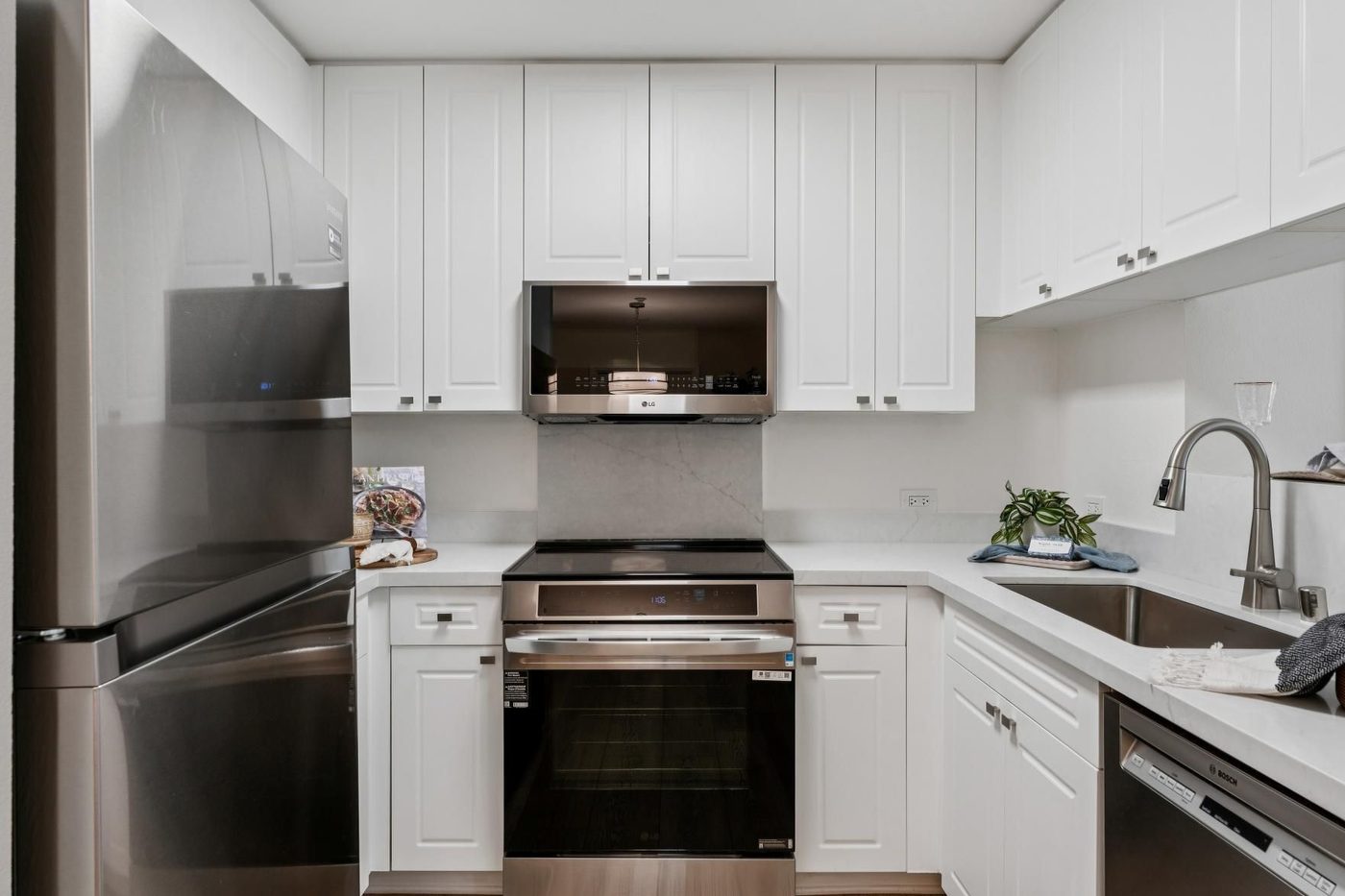
- Poor layout or lack of updates: While not structural, a dated kitchen or bathroom can make a home feel less desirable compared to updated listings.
Most of these issues can be resolved with repairs or a price adjustment. A home inspection before listing can help you uncover problems early. If you're unsure what to fix, our team can guide you—sometimes it's better to sell as-is and let the buyer handle renovations.
Is Your Asking Price the Problem? How to Price to Sell
Pricing is the most common reason a house doesn't sell. If your asking price is too high, you'll get fewer showings and offers. Here's how to evaluate and adjust your price effectively.
| Pricing Strategy | What It Means | Why It Matters |
|---|---|---|
| Market-aligned | Priced based on comparable sales (comps) in your area. | Attracts serious buyers and can lead to multiple offers. |
| Overpriced | Set above what similar homes have sold for. | Deters buyers, increases days on market, and may lead to lower final offers. |
| Underpriced | Set below market value to generate bidding wars. | Can create urgency, but you risk leaving money on the table. |
| Priced to sell quickly | Slightly below market to attract immediate interest. | Ideal if you need to move fast or are facing competition. |
To determine the right price, request a comparative market analysis (CMA) from our team. We'll compare your home to recent sales in Danville, San Ramon, and Pleasanton to set a price that reflects current market conditions. If your home has been on the market for weeks with no offers, a price reduction may be necessary.
What to Do When Your House Won't Sell: Next Steps That Work
If your house hasn't sold after a few months, don't panic. Take these practical steps to turn things around:
- Reassess your price: Review your CMA and consider a price reduction if your home is overpriced compared to similar homes.
- Get a home inspection: Identify any underlying issues with the property itself that might be scaring buyers, and fix or disclose them.
- Refresh your listing: Update photos, virtual tours, and descriptions to highlight your home's best features.
- Improve curb appeal: Simple changes like fresh landscaping, a new front door, or a power wash can make a big difference.
- Consider a trade-in program: If you need to move but can't sell, our exclusive trade-in program may allow you to buy your next home before selling yours.
- Wait for the right market: If conditions are tough—like high mortgage rates—sometimes patience is key. Your agent can help you decide when to hold or adjust.
If you're stressed about your house not selling, know that you have options. Our team can help you create a plan that fits your timeline and goals.
Directions to our homes for sale in Danville, CA from Las Trampas Regional Wilderness
Start at Las Trampas Regional Wilderness and head to Ahern Real Estate Group at 671 San Ramon Valley Blvd, Danville, CA 94526.
What Devalues a House? Legal Pitfalls and Seller Mistakes to Avoid
Several factors can devalue your home or create legal headaches if not handled correctly. Significant building defects—like foundation issues or code violations—must be disclosed in California, and failing to do so can lead to legal liability. Similarly, environmental hazards like mold or lead paint can reduce your home's value and complicate the sale.
Other mistakes include ignoring poor research on pricing, skipping a pre-listing inspection, or making unapproved renovations. On the legal side, understand your responsibilities: in most cases, you're required to disclose known defects, and you may be responsible for issues for a certain period after the sale. Consult a qualified real estate attorney for specific advice.
To avoid pitfalls, work with an experienced agent who knows Danville's regulations and market. Our team can guide you through disclosures and help you price your home to reflect its true condition.
How to Fix What's Making Your House Unsellable: Curb Appeal & Staging
Improving your home's presentation can attract more showings and offers. Here are actionable steps to boost curb appeal and staging:
- Enhance curb appeal: Mow the lawn, trim bushes, plant flowers, and repaint the front door. A fresh exterior makes a great first impression.
- Declutter and depersonalize: Remove personal photos and excess furniture to help buyers envision themselves in the space.
- Stage key rooms: Focus on the living room, kitchen, and master bedroom. Professional staging can make a home feel more inviting.
- Fix minor issues: Repair leaky faucets, replace burnt-out bulbs, and touch up paint. Avoid major renovations that won't yield a return.
- Take professional photos: High-quality photos are essential for online listings, which most buyers browse first.
If you're unsure where to start, our team can provide staging tips and connect you with local resources. Remember, the goal is to make your home stand out in a competitive market.
Market Forces That Make a House Harder to Sell Right Now
Broader market conditions can impact your ability to sell. High mortgage rates reduce buyer purchasing power, making them more cautious. Stubbornly inflated prices in some areas can also deter buyers, especially if they feel homes are overvalued. Additionally, gun-shy buyers may be waiting for a market crash or better rates, leading to fewer offers.
In the Danville, CA real estate market, these factors can extend days on market. However, a well-priced, well-marketed home can still sell. Our team stays on top of local trends to advise you on the best timing and pricing strategy.
For details on services and visits, see the main page about homes for sale danville ca.
Sources
Frequently asked questions
Can I sell my house to my son for $1 dollar?
Yes, you can sell your house to a family member for $1, but it's considered a gift of equity. The IRS may require you to file a gift tax return if the value exceeds the annual exclusion, and the buyer's lender may have minimum loan amount requirements. Consult a tax professional for your situation.
What is the 3-3-3 rule for buying a house?
The 3-3-3 rule is a guideline for buyers: spend no more than 3 times your annual income on a home, make a 3% down payment, and have a 3% emergency fund. It's a rough budgeting tool, not a hard rule, and your situation may differ.
How long are you responsible for a house after you sell it?
In California, sellers must disclose known defects at the time of sale, and you may be liable for undisclosed issues for up to 10 years under certain circumstances. However, most disputes arise within the first few years. Full disclosure is your best protection.
What not to fix when selling your home?
Avoid major renovations that won't yield a return, like adding a pool or a full kitchen remodel. Focus on minor repairs and cosmetic updates that improve appeal without breaking the bank. Your agent can help you prioritize.
What devalues a house the most?
The biggest devaluers are major structural issues like foundation problems, roof damage, and outdated systems. Poor curb appeal and a bad location can also lower value. Addressing these or pricing accordingly is key.
Also asked as
- Why is my house not selling?
- What makes a home unsellable?
- What to do if your house won't sell?